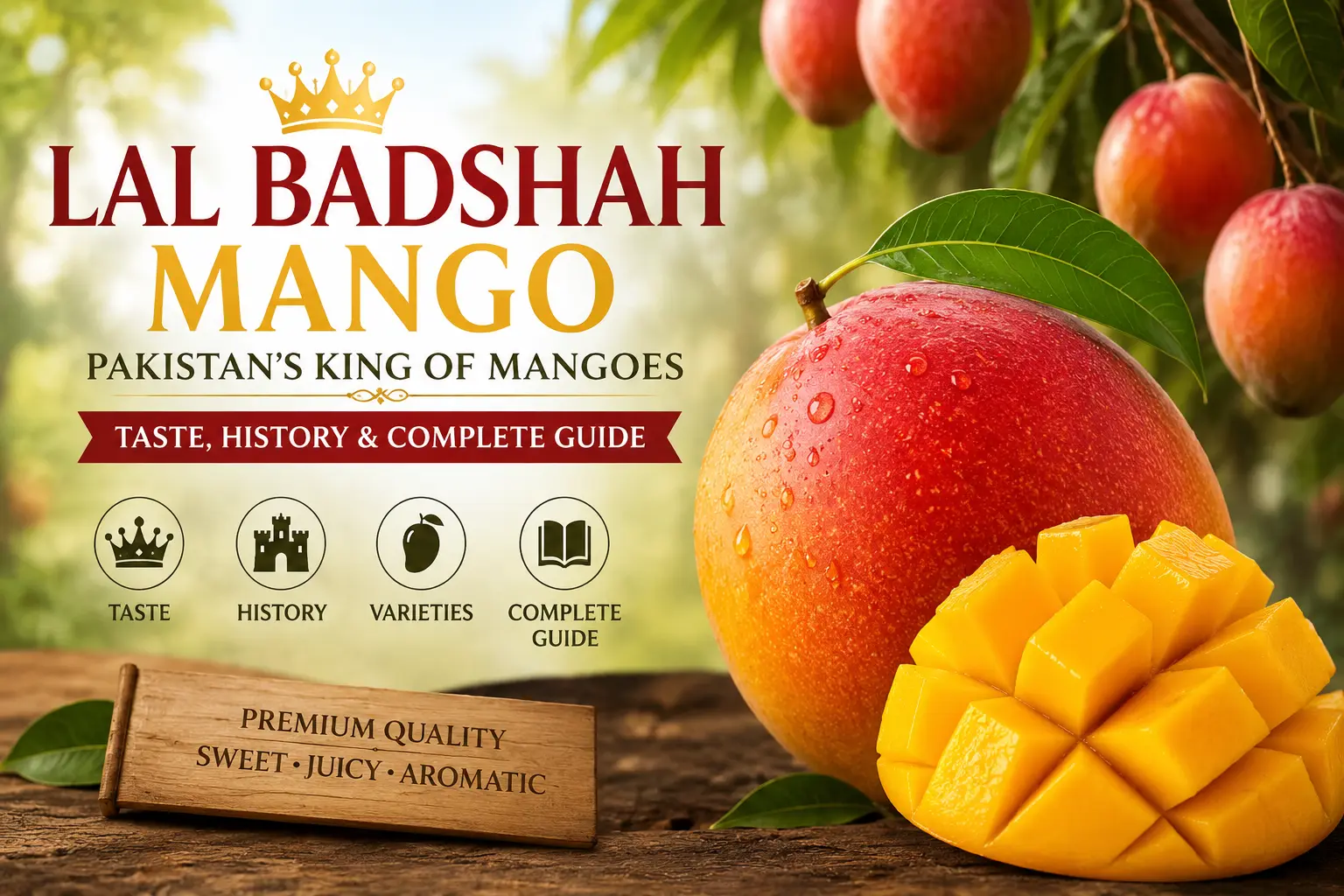
Lal Badshah Mango: Pakistan’s King of Mangoes — Taste, History & Complete Guide
Lal Badshah mango is one of the most celebrated mango varieties in Pakistan. Known for its rich sweetness, smooth texture, and vibrant colour, it stands among the finest mangoes grown in the country. This guide covers everything you need to know about this prized Pakistani fruit.
👉 Ready to taste it? Order Fresh Lal Badshah Mango Online — delivered fresh to your door.
What is Lal Badshah Mango?
Lal Badshah mango is a premium mango from Multan, Pakistan, because of its limited quantity. It is famous for its mango shape and red patch. It is used both locally and for export and comes at the end of July. Prices of Export quality Lalbadshah Is Rs 450-500.
Lal Badshah Mango Taste — What Does It Really Taste Like?
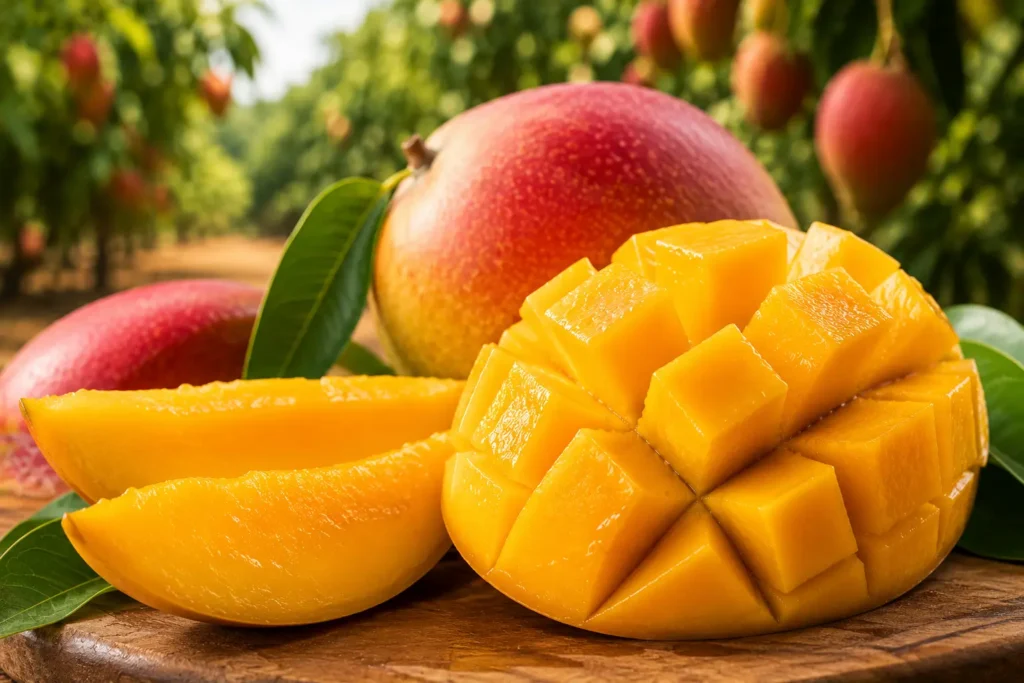
The taste of Lal Badshah mango is intensely sweet with a rich, honey-like flavour and minimal fibre. Its pulp is smooth, juicy, and deeply aromatic, making it a favourite for eating fresh. Unlike sour or tangy varieties, this mango delivers pure sweetness in every bite.
History and Origin of Lal Badshah Mango in Pakistan
Lal Badshah mango has deep agricultural roots in the Pakistani subcontinent, cultivated for generations by skilled farmers. Its origin is traced to Sindh, where the warm climate and fertile soil produce the finest quality fruit. Over decades, it earned a legendary reputation in domestic and export markets.
Lal Badshah Mango vs Other Popular Pakistani Mango Varieties
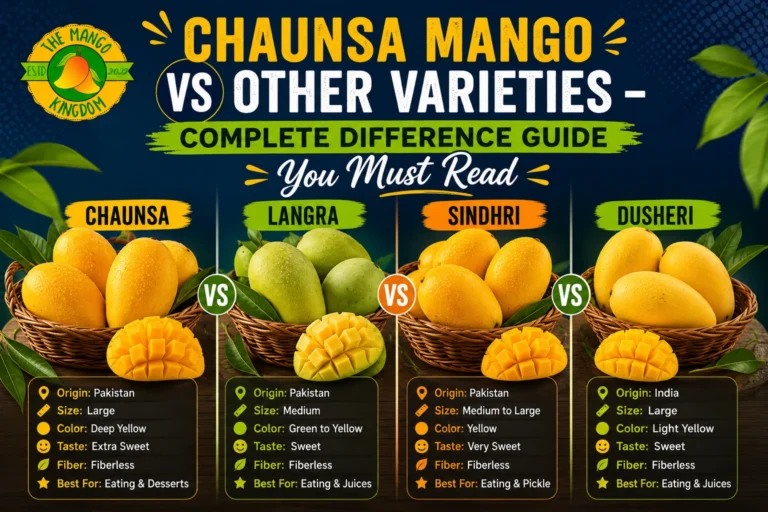
Pakistan produces many world-class mango varieties, and Lal Badshah holds its own among the best. Compared to the famous Chaunsa mango, Lal Badshah is slightly more colourful and sweeter in profile. The Sindhri mango is more fibrous by comparison, while Lal Badshah offers a creamier, buttery texture.
Lal Badshah Mango Season — When is It Available?
Lal Badshah mango season start when Chaunsa Mango end. Its start from Jully 20-30. Buying during peak season ensures the best flavour, freshness, and value for money. It is recommended to eat, not make a milkshake
Where is Lal Badshah Mango Grown in Pakistan?
The primary growing regions for Lal Badshah mango include Tando Allah Yar, Mirpur Khas, and Multan, Punjab. These areas offer the ideal combination of sandy loam soil, high temperatures, and seasonal rainfall. Farmers in these regions harvest the fruit between June and August each year.
How to Identify a Ripe Lal Badshah Mango
A ripe Lal Badshah mango displays a deep golden-yellow to reddish skin with a slight give when gently pressed. The aroma near the stem end is intensely sweet and fragrant — a clear sign of peak ripeness. Avoid fruit with wrinkled skin or dark spots, which indicate over-ripeness.
Lal Badshah Mango Compared to Anwar Ratol
While Anwar Ratol mango is smaller and known for its intense perfume, Lal Badshah is larger with a bolder, sweeter flavour. Both are loved across Pakistan but serve different taste preferences. Lal Badshah is the preferred choice for those who enjoy a full-flavoured, juicy mango experience.
What is Lal Badshah Mango Called in English?
In English, Lal Badshah mango translates to “Red King Mango”, reflecting its name in Urdu. It does not have a widely used scientific cultivar name in English-speaking markets. Internationally, it is often marketed simply as a premium Pakistani export mango variety.
Lal Badshah Mango Recognition and Cultural Significance
Lal Badshah mango holds a special cultural place in Pakistani food heritage, often served at celebrations and gifted during Eid. It symbolises generosity and the richness of Pakistan’s agricultural legacy. Mango festivals across Sindh and Punjab frequently feature it as a star variety.
Conclusion
Lal Badshah mango is truly the king of Pakistani mangoes — unmatched in sweetness, aroma, and cultural pride. Whether you enjoy it fresh, in juice, or as a gift, this variety delivers an unforgettable experience. Don’t miss the season; get yours while the harvest is at its finest.
 **Alt Text:** Sindhri mango history and origin in Pakistan](https://themangokingdom.pk/wp-content/uploads/2026/05/sindhri-mango-history-origin-768x512.webp "Sindhri Mango History and Origin — The True Story of Pakistan's King Mango 8")