How to Grow a Lal Badshah Mango Tree in Pakistan — Plant, Farm & Harvest Guide
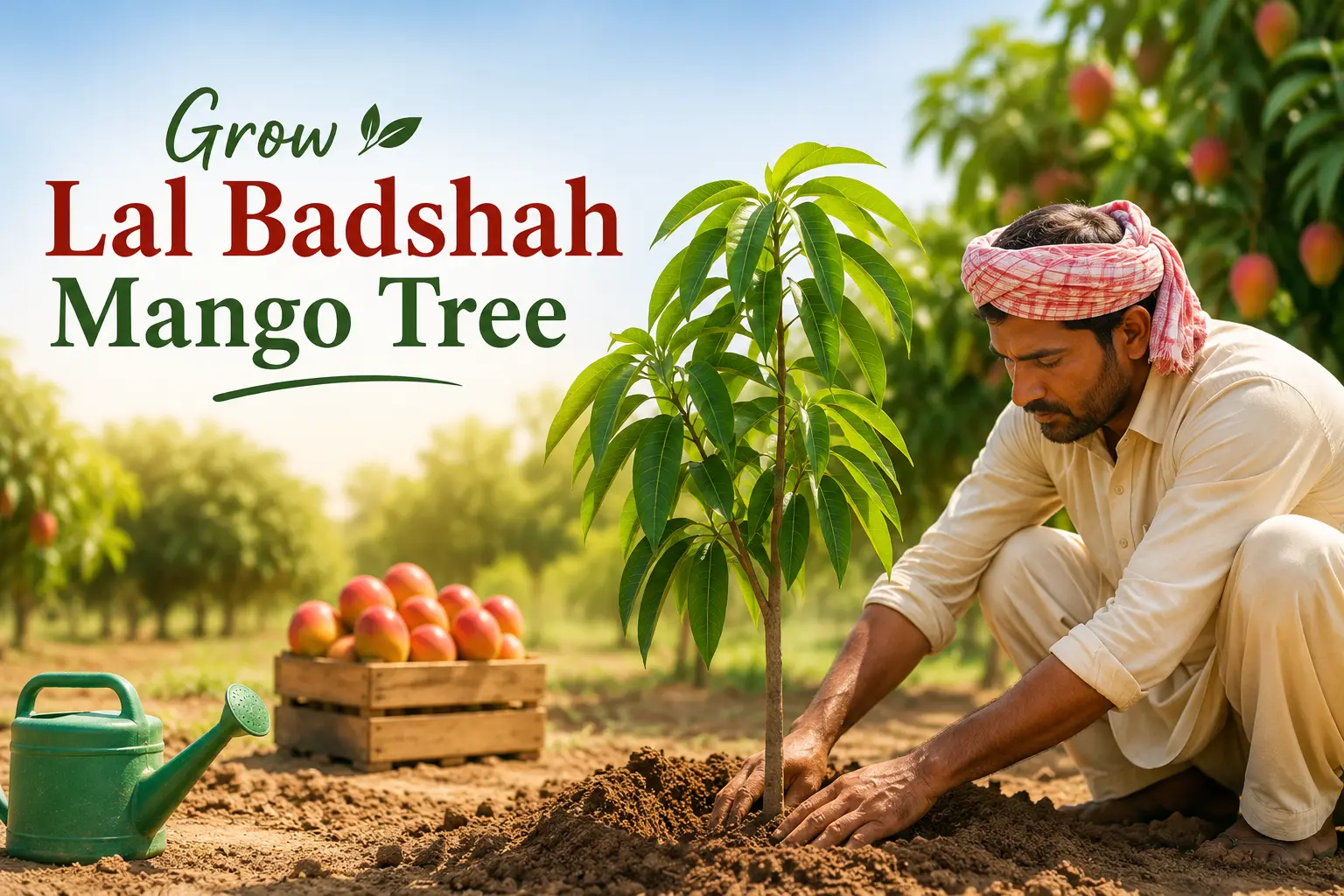
Lal Badshah mango tree is one of the most rewarding fruit trees a Pakistani farmer or home gardener can grow. Known for its heavy yield, disease resistance, and premium fruit quality, it is a top choice across Sindh and Punjab. This complete guide covers everything from planting to harvesting your own Lal Badshah mango.
👉 Order Fresh Lal Badshah Mango Online — While you grow yours, enjoy ours delivered fresh!
What Does a Lal Badshah Mango Tree Look Like?
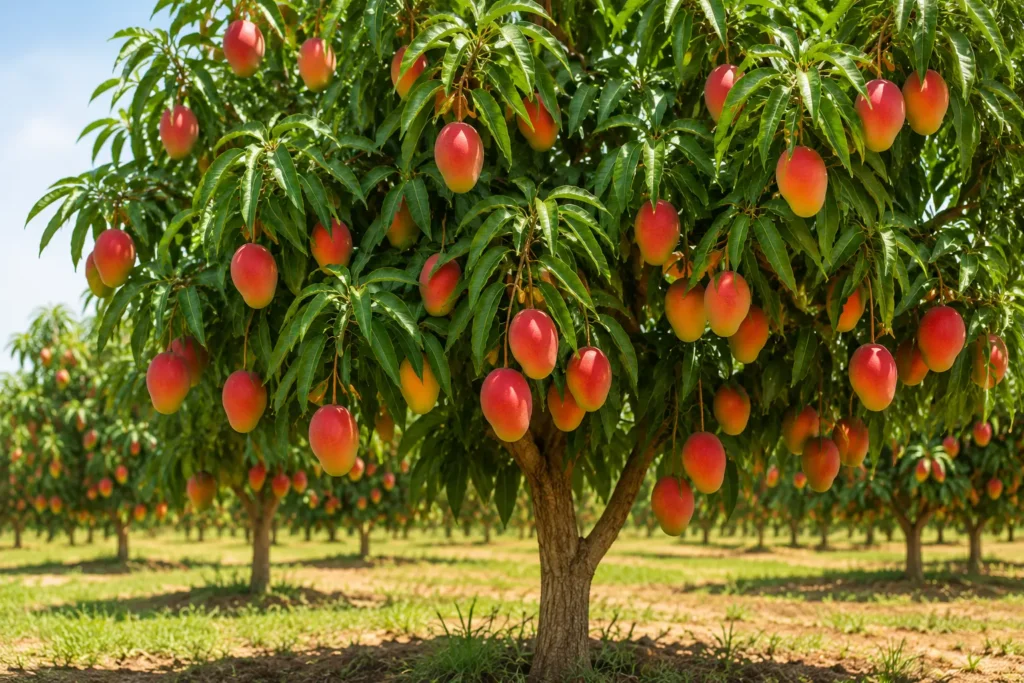
Lal Badshah mango tree is a medium to large-sized evergreen tree with dense, dark green foliage. Its canopy spreads wide, providing generous shade during the hot Pakistani summer months. The tree produces clusters of small flowers that develop into the prized golden-red Lal Badshah fruit.
Best Climate for Growing Lal Badshah Mango in Pakistan
Lal Badshah mango thrives in hot, dry climates with a distinct cool winter period for proper flowering. Pakistan’s Sindh and Southern Punjab regions provide the ideal temperature range of 25°C to 45°C. High humidity during fruiting season should be avoided to prevent fungal disease and fruit drop.
Best Soil for Lal Badshah Mango Plant
Lal Badshah mango plant grows best in deep, well-drained sandy loam soil with good organic content. The ideal soil pH range is between 5.5 and 7.5 for healthy root development and fruit production. Waterlogged or clay-heavy soils should be avoided as they cause root rot and poor growth.
Common Diseases and Pests in Lal Badshah Mango Orchard
Powdery mildew, anthracnose, and mango hopper are the most common threats to Lal Badshah mango orchards. Regular spraying with recommended fungicides and pesticides during flowering protects the crop effectively. Early detection and proper farm hygiene are the most effective ways to minimise yield losses each season.
When Does Lal Badshah Mango Tree Bear Fruit?
A grafted Lal Badshah mango tree typically begins bearing fruit within two to three years of planting. Full commercial production is achieved by the fifth year when the tree reaches mature size. The fruiting season falls between June and August, with peak harvest occurring in July each year.
How to Harvest Lal Badshah Mango Properly
Lal Badshah mangoes should be harvested when the skin turns golden-yellow with a reddish blush appearing. Use a sharp knife or clipper to cut the fruit with a short stem attached to prevent sap burn. Handle harvested fruit gently to avoid bruising, which reduces shelf life and market value significantly.
Lal Badshah Mango Compared to Other Varieties in Farming
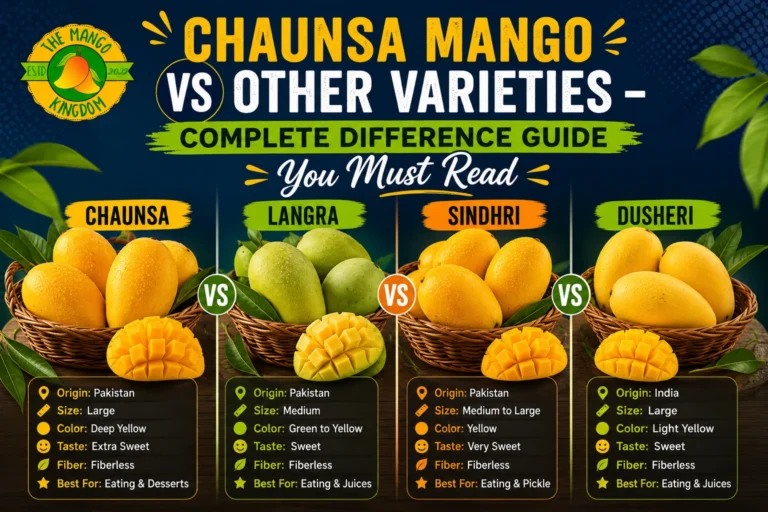
Compared to Sindhri mango, Lal Badshah requires slightly more care but delivers a premium price in the market. The Chaunsa mango tree is similarly sized, but Lal Badshah generally shows better disease resistance overall. For farmers seeking high returns, Lal Badshah remains one of the most profitable varieties to cultivate.
Conclusion
Growing a Lal Badshah mango tree is a long-term investment that rewards patience with exceptional fruit and strong market returns. Whether you are a home gardener or commercial farmer, this variety delivers premium quality season after season. Follow this guide carefully and enjoy the fruit of Pakistan’s most celebrated mango tree.
👉 Buy Dried Lal Badshah Mango Online — Can’t wait for harvest? Order farm-fresh mangoes now!
 **Alt Text:** Sindhri mango price in Pakistan per kg and per box guide](https://themangokingdom.pk/wp-content/uploads/2026/05/sindhri-mango-price-pakistan-768x512.webp "Sindhri Mango Price in Pakistan — Current Rates Per Kg and Per Box Explained 4")